The question of the legality of CBD (cannabidiol) in Switzerland has become a benchmark in Europe over the years. Today, the Swiss legal framework surrounding CBD is one of the clearest, while continuing to evolve towards more structured regulation. In this article, we explore in detail the current regulation of CBD in Switzerland, the legal THC threshold, ongoing pilot projects, and the implications for consumers in 2026.
✅ Legal status of CBD in Switzerland
Cannabidiol (CBD) is legal in Switzerland when the THC content is less than 1%. THC (tetrahydrocannabinol) is the psychoactive substance in cannabis; it is this component that remains strictly controlled and determines whether a product is eligible for legal sale. Under Swiss law, hemp-based products with a THC content below this threshold are not considered narcotics and are therefore not subject to the Narcotics Act (LStup).
This framework has enabled the emergence of a regulated and safe market, particularly for flowers, oils, resins, cosmetics, and other forms of CBD. 👉 For a clear understanding of the general rules on cannabis in Switzerland, you can consult the government's official information portal: information on cannabis in Switzerland (ch.ch).
📊 Origins and evolution of legislation
✔️ History
The distinction between cannabis and legal products with low THC content was formally established in the early 2010s. In 2011, products containing less than 1% THC began to be sold freely in various forms. Since then, Switzerland has maintained this single threshold, which is significantly higher than in most European countries (often around 0.2–0.3%).
👉 To see how the legalization of CBD fits into the broader landscape of European policies, you can read the article Europe Cannabis Legalization and Switzerland on European issues. (https://thcbd.ch/europe-cannabis-legalisation-suisse/) (link to be inserted by SEO anchor)
✔️ Swiss federal agencies
Several Swiss authorities publish and regularly update information on CBD and cannabis:
- Federal Office of Public Health (FOPH) — the main public health agency, provides guidelines on CBD-containing products and legal requirements.
- Federal Food Safety and Veterinary Office (OSAV) — involved in product classification and food safety.
- Swissmedic — manages the regulation of medicines and products containing cannabinoids that require specific authorization.
These organizations work together to ensure that the framework is clear and adapted to market realities and public health concerns.
🧾 Specific legal framework for CBD in Switzerland
✅ CBD-based products
Products with THC levels below 1% are considered legal. This includes a variety of categories:
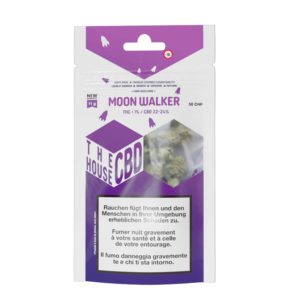
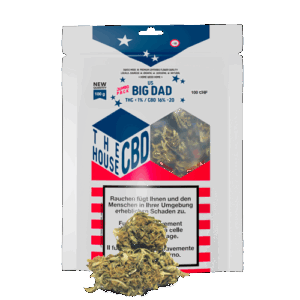
- traditional hemp-based flowers
- oils and tinctures
- CBD resins or hash
- cosmetics and external products
- e-liquids for vaping
- food and beverages containing hemp extracts under certain conditions
⚠️ It is important to note that certain hemp extracts or cannabinoids in foods may be classified as "novel foods, " requiring specific procedures before they can be placed on the market.
✅ Rules regarding sales and advertising
CBD products must:
- be properly labeled, in particular to indicate the THC content;
- not be presented as medicines, unless they have formal authorization for therapeutic uses;
- comply with federal regulations on the safety of food, cosmetics, or inhaled products.
This ensures that end consumers have clear information and that the products available comply with the required legislation and safety standards.
🧪 Pilot projects and progress toward cannabis legalization
Since May 2021, Switzerland has been running scientific pilot projects on recreational cannabis. These trials aim to study the regulatory framework for non-medical cannabis and must comply with strict conditions.
These projects, which are scheduled to last until the end of 2031 according to the law, will enable:
- scientifically monitor the effects of controlled access,
- assess the impact on public health and safety,
- prepare for possible broader legislation on recreational cannabis.
👉 For a more cultural and contextual focus on cannabis in pop culture, check out Cannabis, pop culture, Bob Marley & Elon Musk. (https://thcbd.ch/cannabis-pop-culture-bob-marley-elon-musk/) (link to be inserted via SEO anchor)
📝 Practical aspects for consumers
🧑⚖️ Ownership and use
Pour le CBD conforme (THC < 1 %), il est légal d’acheter, de posséder et de consommer ces produits en Suisse dans le respect des règles générales de sécurité. ⚠️ Toutefois, la possession ou consommation de cannabis contenant plus de 1 % de THC demeure interdite et constitue une atteinte à la législation sur les stupéfiants, punissable d’une amende ou d’une sanction pénale selon les cas.
🚗 Practical tips
Even though CBD is legal, certain precautions are recommended:
- test your personal reaction to the products before undertaking sensitive activities (driving, working at height, etc.);
- check whether rapid tests could detect traces of THC despite their legality;
- Find out about local regulations when traveling abroad with CBD products.
✅ Conclusion: a stable and evolving market
Switzerland now has clear and balanced legislation for legal CBD, based on a well-defined THC threshold and appropriate regulation. This framework has enabled the development of a stable, safe market that complies with public health protection requirements. The pilot projects currently underway are creating a solid basis for considering, in the long term, more comprehensive regulation of recreational cannabis, while limiting the associated risks. 👉 Finally, for recent media coverage of CBD in Switzerland, the article NOUVO RTS: CBD & The House CBD offers an informative perspective on the public and legal perception of CBD today. (https://thcbd.ch/nouvo-rts-cbd-the-house-cbd/